Expert Home Security Near You
Stop guessing and start comparing. We line up the monitoring, equipment and pricing of the nation's top home security providers so you can pick what fits your home — not what fits their sales script.
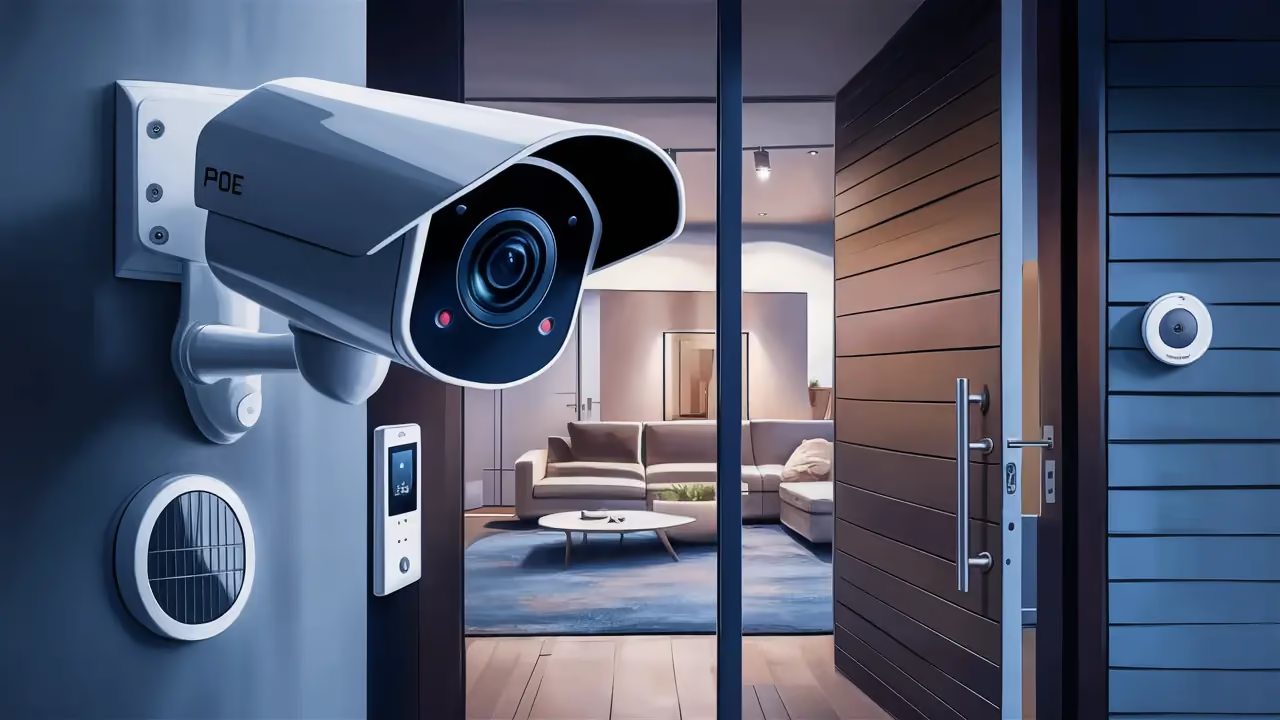
Why Compare Home Security Systems Before You Buy?
Two homes a street apart can be quoted very different prices for very different equipment. Comparing monitoring, contracts and equipment first is the cheapest way to avoid paying for features you will never use.
Home Security Services We Compare






Compare ADT, Vivint and Alder Home Security
The three providers we are asked about most, side by side. Everything below describes how each provider generally sells its systems — your quote is the only thing that is binding.
| Feature | ADT | Vivint | Alder |
|---|---|---|---|
| What they are known for | A long-established US alarm company selling through local authorized dealers. | An integrated smart home and security equipment line with its own app. | Packaged alarm and camera systems sold with installation. |
| Professional installation | Yes — dealer installed | Yes | Yes |
| 24/7 professional monitoring | Yes | Yes | Yes |
| Control from a phone | Yes | Yes | Yes |
| Contract and price | Quote per address | Quote per address | Quote per address |
| Read more | ADT overview | Vivint overview | Alder overview |
Contract length, equipment bundles, installation charges and monitoring prices change often and differ by address. Confirm the current terms in writing with the provider before you sign anything.
How Much Does a Home Security System Cost?
What you actually pay for
- Equipment — panel, sensors, cameras and keypads, either bought up front or financed across the contract.
- Installation — a one-off visit charge, or folded into the package.
- Monthly monitoring — the fee for the staffed central station that watches your alarm.
- Contract length — a longer agreement usually means a lower monthly rate and a larger early-exit cost.
- Add-ons — video storage, smart locks, cellular backup and extended warranties.
Typical price ranges
Professionally monitored plans are commonly quoted in the region of $25 to $60 a month for monitoring alone, with equipment priced separately or spread across the term. DIY and self-monitored setups can be cheaper monthly, but you are the one who has to answer the alarm.
These are typical market ranges, not a quote. Get a written quote for your address before you compare on price.
See monitoring optionsHome Security Features Worth Comparing

No-Contract & DIY Options
Renting, or not ready to commit? Compare portable and no-contract systems that move with you.

Price Lock
Ask each provider whether your monthly rate is locked for the length of the contract, and get the answer in writing.

Referral Program
Providers run referral credit programs — ask about current referral terms when you take out a plan.

Fast Setup & Shipping
Equipment shipping and installation dates vary by provider and address. Confirm the earliest date when you get your quote.

Support That Answers
Check how each provider handles service calls, repairs and warranty claims before you sign — response times matter.

24/7 Professional Monitoring
A staffed central station receives your alarm and dispatches police, fire or EMS — around the clock, every day.
Compare Plans Today and Get a Free Quote
Stay Safer with Professional Home Security

Choosing a security system is confusing because every provider sells it differently. Whatever you end up with, make sure it covers:
24/7 professional monitoring that stays awake when you are asleep.
Automatic alerts to police, fire or medical responders when an alarm triggers.
Fire and carbon monoxide detection that works even when you are away from home.
Smoke and CO detectors that notify both you and the monitoring station.
Door, window and motion sensors that show you exactly what opened and when.
Not sure what you need? Ask us — it costs nothing.
Smart Home Automation Security
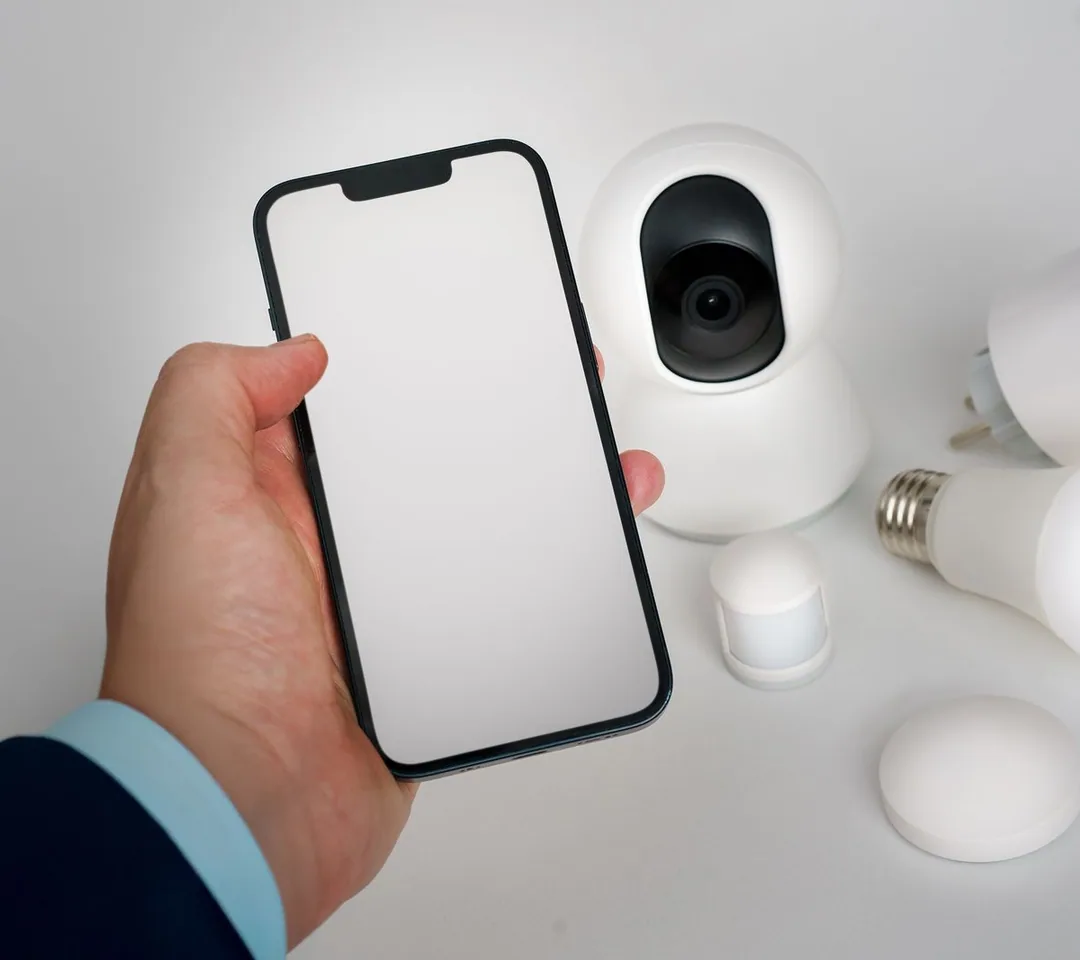
Smart locks, cameras, doorbells and thermostats now sit on the same app as your alarm, so one system covers both security and convenience.
Automation also makes a home look occupied: lights on a schedule, a door that locks itself, and a camera that tells you when a package lands are all things a burglar has to work around.
Compare which providers include which devices as standard and which charge extra — the difference between packages is usually hardware, not the alarm itself.
How to Choose a Home Security Provider
Ask every provider the same five questions and the differences become obvious: what equipment is included, who installs it, how much monitoring costs each month, how long the contract runs, and what it costs to leave early.
Then check the boring parts — service visits, warranty length, and what happens to the equipment if you move. Those are what people wish they had asked six months in.
Free comparison, free quote, no obligation
Home Security Questions, Answered
How much does monitored home security cost?
Two separate costs: equipment (bought outright or spread across the contract) and monthly monitoring. Professionally monitored plans are commonly quoted in the region of $25 to $60 a month before equipment, and installation is either charged once or folded into the plan. Always ask for a written quote for your address, because pricing depends on the equipment you pick and where you live.
What is the difference between professional and self monitoring?
With professional monitoring, a staffed central station receives your alarm and calls for help on your behalf. With self monitoring, the system only notifies your phone and you decide what to do. Self monitoring is cheaper, but it only works if you are reachable.
Do I need a contract?
Not always. Some providers ask for a multi-year monitoring agreement, others sell month to month, and DIY systems often have no contract at all. Ask three questions before signing: how long is the term, what does early cancellation cost, and what happens to the equipment if you cancel.
Will a security system really stop a break-in?
Visible alarms, cameras and yard signs raise the effort and risk for a burglar, and monitored alarms mean someone is told when a sensor trips. Treat them as one layer: good locks, lit entrances and not advertising an empty house still matter.
Can I take my system with me if I move?
Portable and DIY systems are designed to be moved. Installed systems are usually tied to the property and the contract, so ask the provider what happens to the equipment and the remaining term when you move.